

Coast


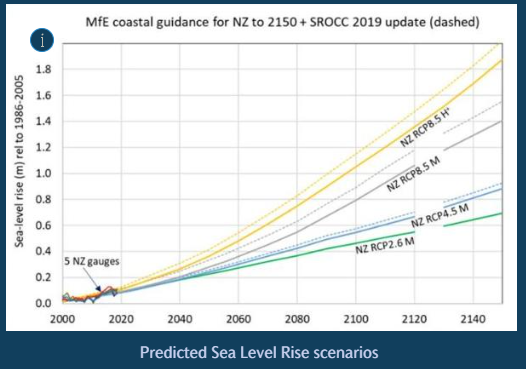
Predicted sea level rise scenarios
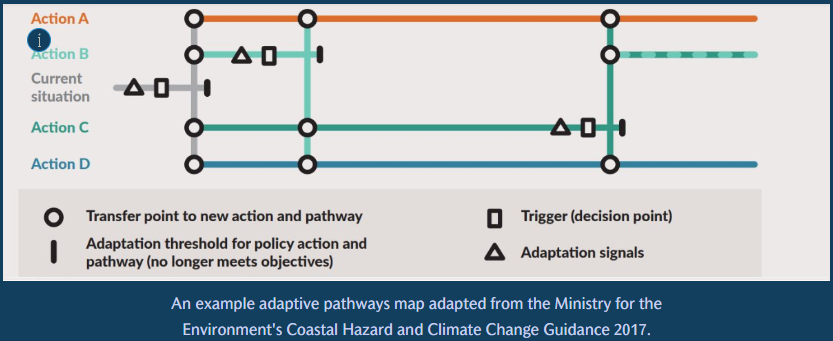
An example adaptive pathways map adapted from the Ministry for the Environment's Coastal Hazard and Climate Change Guidance 2017
Technical reports
- Coastal-Citizen-Science-Options.pdf (PDF, 473.8KB)
- Coastal-Planning-Options-August-2022.pdf (PDF, 1.1MB)
- Exploring-options-for-retreat.pdf (PDF, 1.8MB)
- Hurunui_District_Coastal_Adaptation-shortlisted-options.pdf (PDF, 2.2MB)
- Hurunui_District_Coastline_Hazard_and_Risk_Assessment.pdf (PDF, 4.2MB)
- Hurunui_District_Coastline_Hazard_and_Risk_Assessment_Appendix_booklet.pdf (PDF, 17.3MB)

